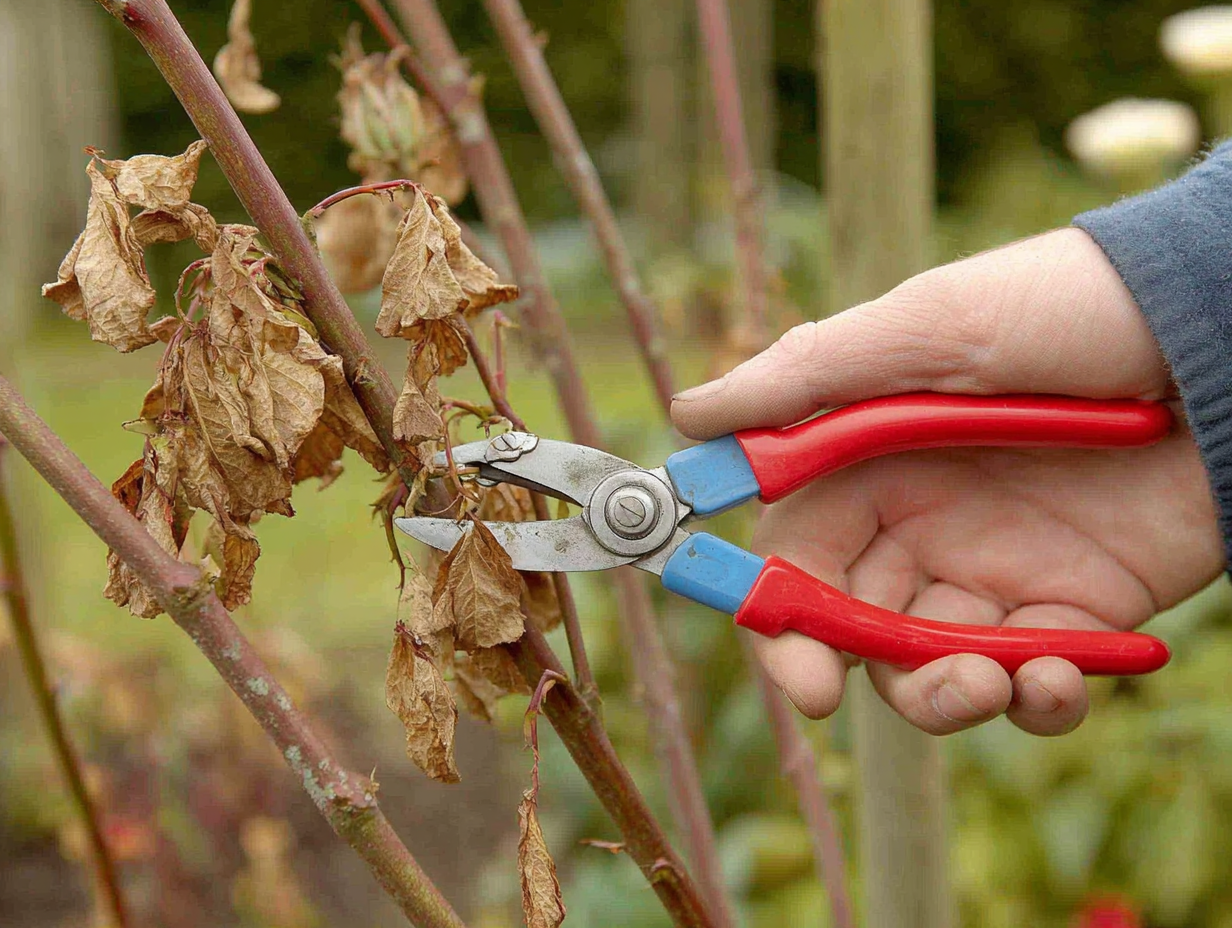
As a Shropshire gardener, you know February is a month of quiet promise. The days are slowly getting longer, the first snowdrops are nodding hello, and the garden is stirring from its winter sleep. It’s a tricky month – we can get sharp frosts one day and glorious sunshine the next – but with a bit of savvy planning, you can set your garden up for a spectacular year.
This guide is your friendly, no-nonsense checklist for what to tackle now. We’ll focus on practical jobs that make a real difference, keeping Shropshire’s unique climate in mind.
February Garden Checklist
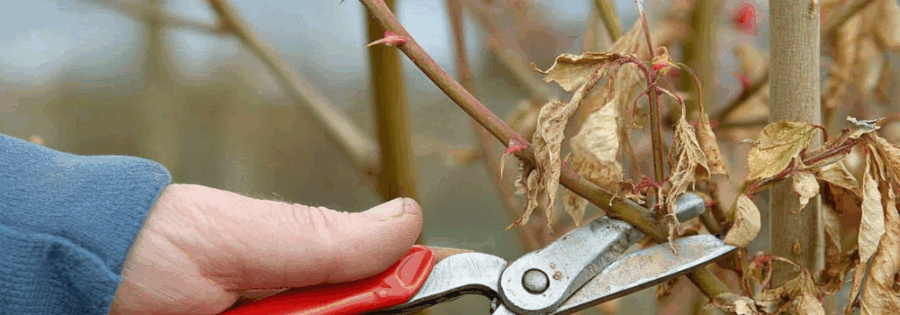
- Prune with purpose: Tackle apple trees, pear trees, and bush roses while they’re dormant.
- Get chitting: Start your first early potatoes on a bright windowsill.
- Sow under cover: Get a head start on broad beans and sweet peas in a greenhouse or cold frame.
- Protect and prepare: Apply a thick layer of mulch (like compost or bark chips) to bare soil to protect it from the cold and lock in moisture.
- Stay off the lawn: Avoid walking on frosty or waterlogged grass to prevent damage.
- Care for wildlife: Keep bird feeders topped up and provide fresh, unfrozen water.
Shropshire Garden Weather Tips
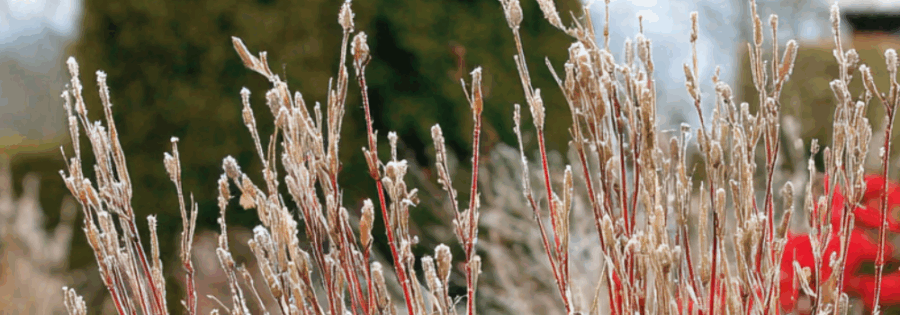
February in Shropshire can be a real mixed bag. We might see crisp, frosty mornings, especially in low-lying spots near the River Severn, or damp, grey days that leave the ground saturated. The key is to be flexible.
- Frost is your guide: If the ground is frozen solid, postpone any digging or planting. Hard frosts are also a signal to protect vulnerable plants with fleece or a cloche.
- Watch the water levels: Shropshire clay can get very heavy and waterlogged. Avoid walking on saturated lawns or beds, as this compacts the soil.
- Make the most of dry days: Use bright, dry spells for pruning, cleaning paths, and preparing sheds or greenhouses.
- Check the forecast: Always check the latest local Met Office forecast before starting major jobs.
February Task Planner
| Task | Best window in February | Why it matters | Quick how-to |
|---|---|---|---|
| Winter-prune apple & pear trees | Anytime in the month (dormant) | Encourages good shape, better airflow, and more fruit. | Remove dead, damaged, or crossing branches. Aim for an open, goblet shape. |
| Prune bush & shrub roses | Mid-to-late February | Promotes vigorous new growth and abundant flowers. | Cut back stems by one-third to one-half, to an outward-facing bud. |
| Chit first-early potatoes | Start of the month | Chitting gives potatoes a head start for an earlier harvest. | Stand seed potatoes in an egg box on a bright windowsill. |
| Sow sweet peas & broad beans | Anytime (under cover) | Gets you ahead for early summer display and harvest. | Sow in deep pots or root trainers, keep in a cold frame or greenhouse. |
| Divide snowdrops ‘in the green’ | Late February (after flowering) | Easiest way to propagate and spread bulbs. | Lift a clump, gently separate, and replant immediately. |
| Clean paths & patios | On a dry, frost-free day | Removes slippery algae and moss, making the garden safer. | Use a stiff brush and water. Pressure washer optional with care. |
Winter Pruning Guide
This is the prime time for pruning certain woody plants before they burst into growth.
- Apples and Pears: Create an open framework to let in light and air. Avoid pruning plums or cherries now to prevent silver leaf disease.
- Roses: Focus on shrub roses and floribundas. Prune now to encourage strong new shoots. Delay climbing roses until after summer flowering.
- Bare-root planting: February is the last chance to plant bare-root trees, shrubs, hedging, and roses.
Beds & Borders: Prepare for Spring
- Cut back old growth: Remove dead stems from perennials unless they’re still feeding birds.
- Mulch generously: Apply a 5cm layer of compost or manure to improve soil and protect roots.
- Weed now: Pull out persistent weeds on mild days to save time later.
Shropshire February Gardening
Shrewsbury, Telford, and the Shropshire Hills each bring unique challenges. Low-lying Severn Valley gardens get more frost, while higher areas like Church Stretton are windier. Heavy clay soil benefits from mulch and minimal compaction.
February Kitchen Garden
- Chit potatoes: Start with ‘Rocket’ or ‘Swift’ varieties.
- Sow indoors: Begin hardy broad beans and sweet peas in pots.
- Plan your plot: Rotate crops to reduce pests and disease build-up.
- Clean tools & trays: Wash seed trays to prevent disease spread.
February Lawn Care”
- Keep off grass: Frozen or soggy lawns are easily damaged.
- Brush worm casts: Scatter them on a dry day.
- Tidy edges: Re-cut edges for a neat finish if soil is workable.
- Scarifying: Rake moss and thatch in late February or March once growth starts.
Pro Tip: Service your lawnmower now for a sharper cut in spring.
February Wildlife Care
- Feed birds: Provide fat balls, sunflower hearts, and mealworms.
- Provide water: Keep shallow dishes ice-free.
- Leave shelter: Log piles and leaves help hedgehogs and insects survive.
Weekly Garden Checklist
- Soil check: Frozen/saturated? Focus indoors. Workable? Dig or plant bare-root.
- Forecast check: Hard frost due? Cover tender plants. No frost? Good time for pruning.
- Priorities: Prune apples, pears, and roses. Start chitting potatoes.
Let’s Get Growing!
February is about preparation and planning. Tackle these jobs and you’ll set the stage for a rewarding garden year. Visit us at Love Plants in Shrewsbury for peat-free compost, early seed potatoes, and expert local advice.
Disclaimer
This article provides general gardening guidance. Always assess your own garden’s soil, microclimate, and conditions. Follow manufacturer’s instructions on tools and products.
Frequently Asked Questions
What’s the difference between a frost and a hard frost?
A light frost affects leaves, while a hard frost (below -2°C) freezes soil and harms tender plants. Protect them with fleece.
When should I prune roses in February?
Mid-to-late February is best. Pruning too early risks frost damage to new shoots.
Can I sow anything outside in February?
It’s too cold and wet for most seeds. Sow hardy vegetables like broad beans under cover instead.
Should I feed my lawn now?
No, wait until March or April when grass is actively growing. For now, avoid walking on it when frosty or wet.
How can I help wildlife in February?
Provide high-energy bird food, fresh unfrozen water, and keep feeders clean to prevent disease.