
Home > News & Events > What to Do in the Garden in January – Shropshire Edition
A very Happy New Year 2026 to all Love Plants customers! The festive season has passed, decorations are down, and a new gardening year lies ahead. Here at Love Plants in Shrewsbury, we see January not as a quiet time, but as a crucial month for planning and preparation. What you do now sets the stage for a flourishing spring and summer.
Your January Garden Checklist

- Prune: Work on apple and pear trees while they are dormant.
- Protect: Use fleece or cloches to shield tender plants from frost.
- Plan: Order seeds and map out your vegetable patch.
- Prepare: Clean your greenhouse, pots, and tools.
- Plant: Ideal time for bare-root roses, trees, and shrubs.
- Care: Feed garden birds and maintain houseplants.
Weather-Smart Planning for January

January in Shropshire brings short days, low light, and frequent frosts. Soil can also become waterlogged. Always check the local forecast before starting any outdoor job. Avoid walking on lawns or beds when frozen or saturated, as this can compact the soil and damage its structure.
Gardens in the Severn Valley often face sharp frosts, while higher areas such as the Shropshire Hills may remain frozen for longer. Use wet or frosty days to clean tools or plan your vegetable garden. When a mild, dry day arrives, take advantage to complete bigger jobs.
January Task Planner
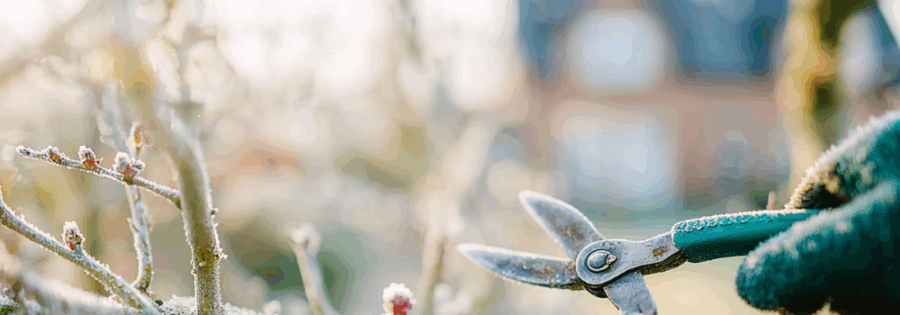
- Prune apple and pear trees: On dry, frost-free days to improve shape, air circulation, and fruiting.
- Plant bare-root roses, trees, and shrubs: Choose mild days, soak roots before planting, and backfill carefully.
- Clean pots and seed trays: Tackle indoors using hot water, a stiff brush, and a dash of disinfectant.
- Sow sweet peas under cover: From mid-to-late January for stronger plants and earlier flowers.
- Feed the birds: Provide fat balls, sunflower hearts, peanuts, and fresh water daily.
Trees, Shrubs & Roses

Now is the best time for winter pruning of apple and pear trees while they are dormant. Shape them into an open goblet to let in light and air. Do not prune stone fruits such as plums or cherries in winter, as this increases the risk of silver leaf disease—wait until summer instead. January is also the perfect month to plant bare-root trees and roses: soak roots in water for a few hours, dig a wide hole, set the graft union at soil level, and water in well.
Beds & Borders

Although it’s tempting to cut everything back, leaving seedheads on plants such as rudbeckia and echinacea adds winter interest and provides food and shelter for wildlife. Remove collapsed or soggy stems to tidy borders. If the soil is workable, apply a thick mulch of well-rotted manure, bark, or compost to protect soil, suppress weeds, and add nutrients. If dahlia tubers remain in the ground, lift them on a frost-free day, dry them thoroughly, and store in sand or compost in a cool, frost-free place.
The Kitchen Garden
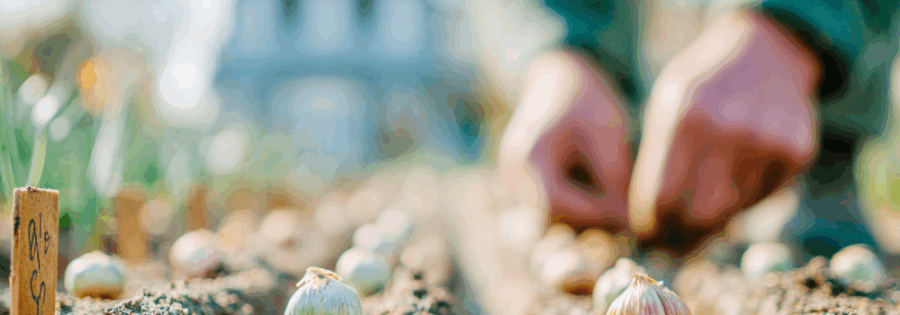
January offers a head start for keen vegetable growers. Sow broad beans, hardy peas, and sweet peas under cover for early crops. If soil conditions allow, plant garlic, shallots, and onion sets. Force rhubarb by covering crowns with a pot to encourage tender stems. Use quieter days to plan crop rotations, order seeds, build raised beds, and turn compost heaps. Inspect overwintering brassicas and stored potatoes for pests, and clean greenhouse glass to maximise winter light.
Lawns & Paths

Keep lawns tidy by removing remaining leaves and debris. Avoid walking on frosted or waterlogged grass to prevent compaction. On mild days, trim lawn edges or mow at the highest setting to neaten paths. Clean moss and algae from patios and paths to prevent slips, and carry out minor repairs while the garden is quiet. If planning new turf, wait until soil is workable and avoid foot traffic until established in spring.
Wildlife Care

- Top up feeders with high-energy foods such as seeds, suet, and mealworms.
- Provide fresh, unfrozen water daily—float a ball to reduce icing.
- Clean bird feeders and baths regularly to prevent disease.
- Create habitats with log piles, leaves, and bug hotels for insects, frogs, and hedgehogs.
- Retain some seedheads and dead stems to provide natural shelter and food.
Houseplants

Indoor plants slow their growth in winter. Water sparingly, allowing compost to dry slightly between waterings. Mist leaves or use a pebble tray to raise humidity for tropical species. Keep plants away from draughts and radiators, and wipe dust from leaves to improve photosynthesis. Rotate pots regularly for even growth, remove yellowing leaves, and check for pests such as aphids or scale. Repot or top-dress bulbs like amaryllis after flowering.
What This Means for Your Garden in Shropshire
Shropshire’s landscapes range from upland ridges to sheltered valleys. Garden tasks may vary depending on your location. Hill gardens may remain frozen longer, while town gardens benefit from sheltered microclimates. Time your tasks accordingly: prune fruit trees on dry, frost-free days, delay bare-root planting if the soil is waterlogged, and protect tender perennials in pots by moving them to sheltered spots. Whatever your conditions, plan ahead and stock up on compost, seeds, and bird feed to make the most of mild days.
Decision Checklist for This Month
- Check the forecast and prune fruit trees on suitable days.
- Lift and store any remaining dahlia tubers if frost is due.
- Order seeds, seed potatoes, and onion sets early.
- Top up feeders and clean bird baths.
- Sharpen tools and organise the shed or greenhouse.
- Plan crop rotations and spring planting layouts.
Frequently Asked Questions (FAQs)
When should I prune apple and pear trees?
Prune apple and pear trees during dormancy, between late winter and early spring, on a dry, frost-free day. Remove dead, diseased, or crossing branches to maintain shape and encourage healthy fruiting. Avoid pruning stone fruits until summer to reduce disease risks.
Can I plant bare-root trees and roses in January?
Yes, provided the ground is not frozen or waterlogged. Soak roots before planting, dig a wide hole, firm soil gently around the roots, stake if necessary, and water well. Mulch to conserve moisture and protect roots.
Is it too late to plant bulbs or garlic?
You can still plant tulips, alliums, garlic, and shallots in January if the soil is workable. Later planting may result in smaller flowers or cloves, but they will still grow. Plant at the recommended depth and mulch to protect against frost.
How do I protect potted and tender plants from freezing?
Move pots to sheltered spots against walls or into a cold greenhouse. Wrap containers with fleece, hessian, or bubble wrap, and raise them on pot feet to improve drainage. Mulch crowns of borderline-hardy perennials with bark or straw and use cloches for salads and herbs.
When can I start sowing seeds for the new season?
Hardy crops such as broad beans and peas can be sown under cover in January. Most other seeds benefit from more light and warmth, so wait until late February or March unless you have heated propagators or grow lights. Always follow seed packet instructions.
Get Ready for the Year Ahead
By tackling these essential January tasks, you give your garden the strongest start to the year. Prune, protect, and plan now so that when spring arrives, you are ready to sow, plant, and enjoy the results. For seeds, bare-root plants, and expert advice, visit Love Plants at Salop Leisure in Shrewsbury—our team will be happy to help.
Disclaimer
This article provides general guidance for Shropshire gardeners. Weather and soil conditions vary, so always adapt tasks to your own garden. Love Plants cannot accept responsibility for any loss or damage resulting from following this advice.